


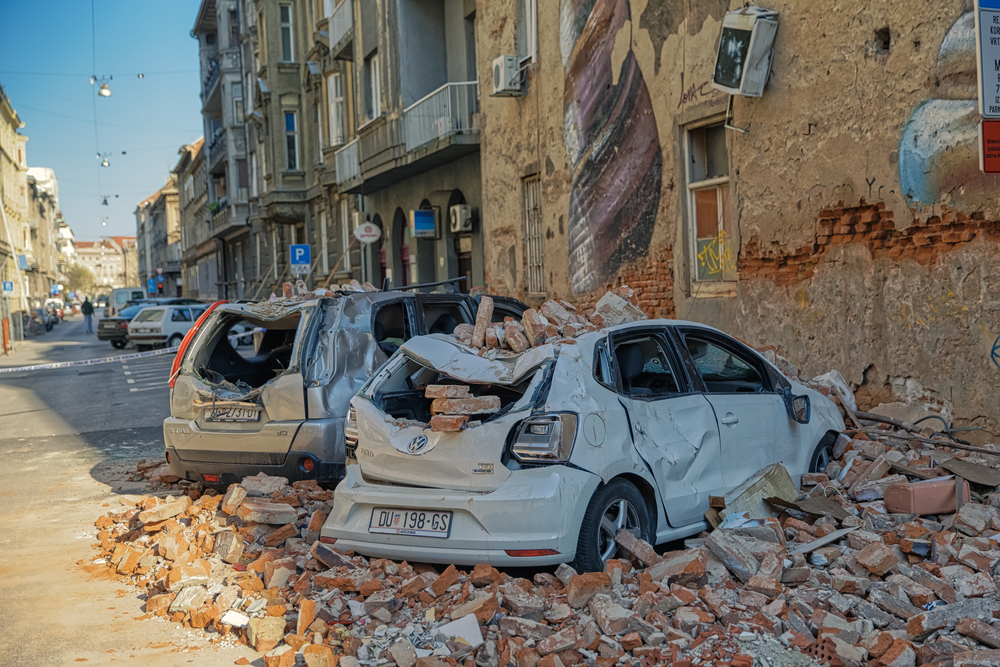
(Washington Insider Magazine) -The United States Agency for International Development (USAID) has announced it will send an additional $32 million in aid in Haiti to alleviate the damage caused by the Aug. 14 earthquake.
The 7.2 magnitude earthquake killed an estimated 2,200 people, according to Haiti’s Civil Protection Agency, as it tore apart towns, leaving many buried under the rubble. It was followed by flooding from Tropical Storm Grace. The death toll and number missing continues to rise weeks later, and thousands are still in critical condition from their injuries.
USAID deployed a Disaster Assistance Response Team (DART) after the earthquake. Thus far, the U.S. military reported sending 413 missions to Haiti to support relief efforts, including 16 helicopters, 6 ships and 8 transport aircraft supporting 205,000 total pounds of aid, and rescuing or assisting 458 people.
The additional aid was announced by USAID Administrator Samantha Power in a news conference with Haiti’s Prime Minister Ariel Henry on Aug. 26. In his remarks, he said the aid would focus on supporting humanitarian partners in providing “additional shelter, health, food, water and other urgent life-saving assistance.”
“We have a big challenge ahead of us. We have a lot of people in the street. They don’t have houses that are suffering from natural disasters, the rain is getting them wet, the sun is burning them, and we need to address this as soon as possible,” Henry said at the press conference.
“The biggest task is that we have to redress these communities, put them back on their feet and that the economies in these areas can start again. We are hugely preoccupied for the back-to-school season. And we thank our friends right now who have decided to help us help our students go back to school,” he added.
Since the earthquake struck, Haiti has received aid and messages of sympathy from countries around the world including a 253-member health care mission from Cuba and a pledge of 1 million euros from the U.K. government. However, the history of international aid in the country is widely criticized, particularly regarding the 2010 earthquake.
The 2010 earthquake in Haiti killed an estimated 220,000 people, and injured another 300,000, according to reports from the Haitian government. As aid poured in from international non-profits, reports grew of missing aid and misdirected funds.
Six months after the earthquake, the Haitian government reported it had received less than 2% of funds. Poor sanitation by U.N. peacekeepers led to a devastating cholera outbreak. As a result, many are skeptical about use of relief funds today and the connection between international efforts and reality on the ground. Activists have urged people to donate directly to Haitian led relief efforts.
“We hear a lot about the lessons of the 2010 Haitian earthquake, and perhaps the most important lesson is that no development agency, and no army or diplomatic corps can just import a perfect humanitarian response from afar,” Power said in the Aug. 26 press conference. “You need local expertise and local leadership to reach communities in need.”
The U.N. assessed the aid needed to rebuild Haiti to be close to $200 million.